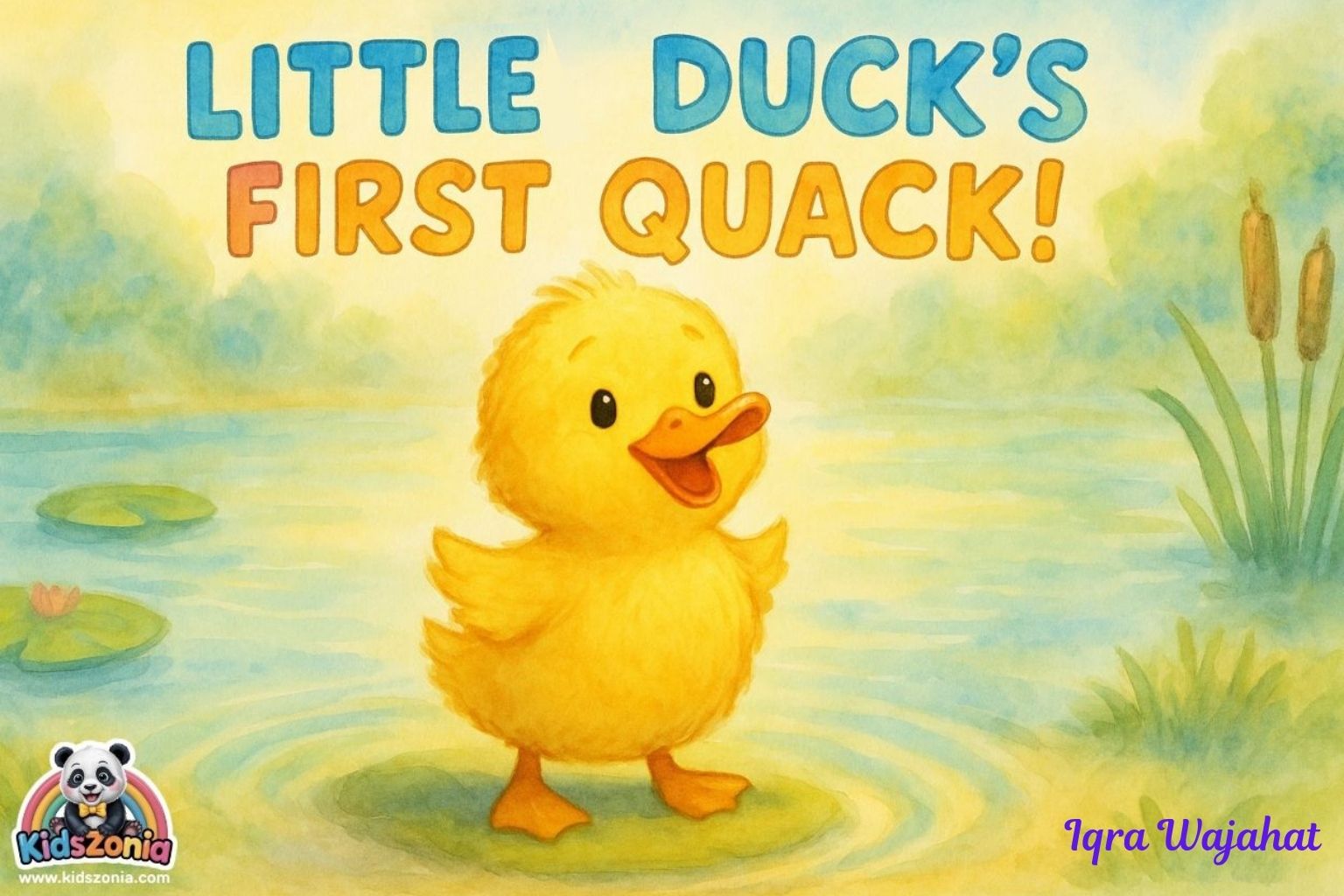
The Little Duck’s First Quack
Ages 3-5
A tiny duckling finds its voice — and learns that every little quack matters in the big, wide pond!
Confidence
Discovery
Growth

What is this story about?
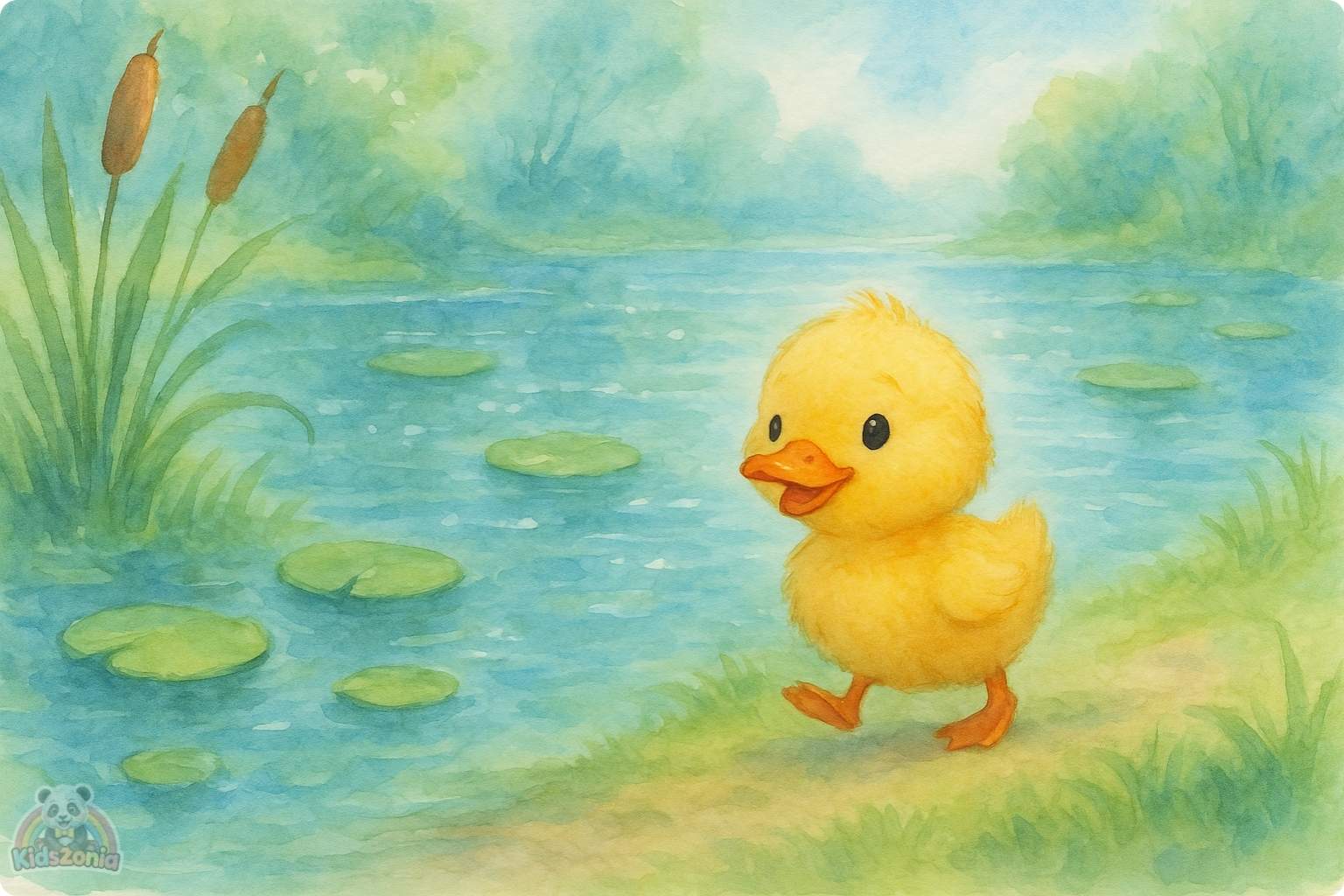
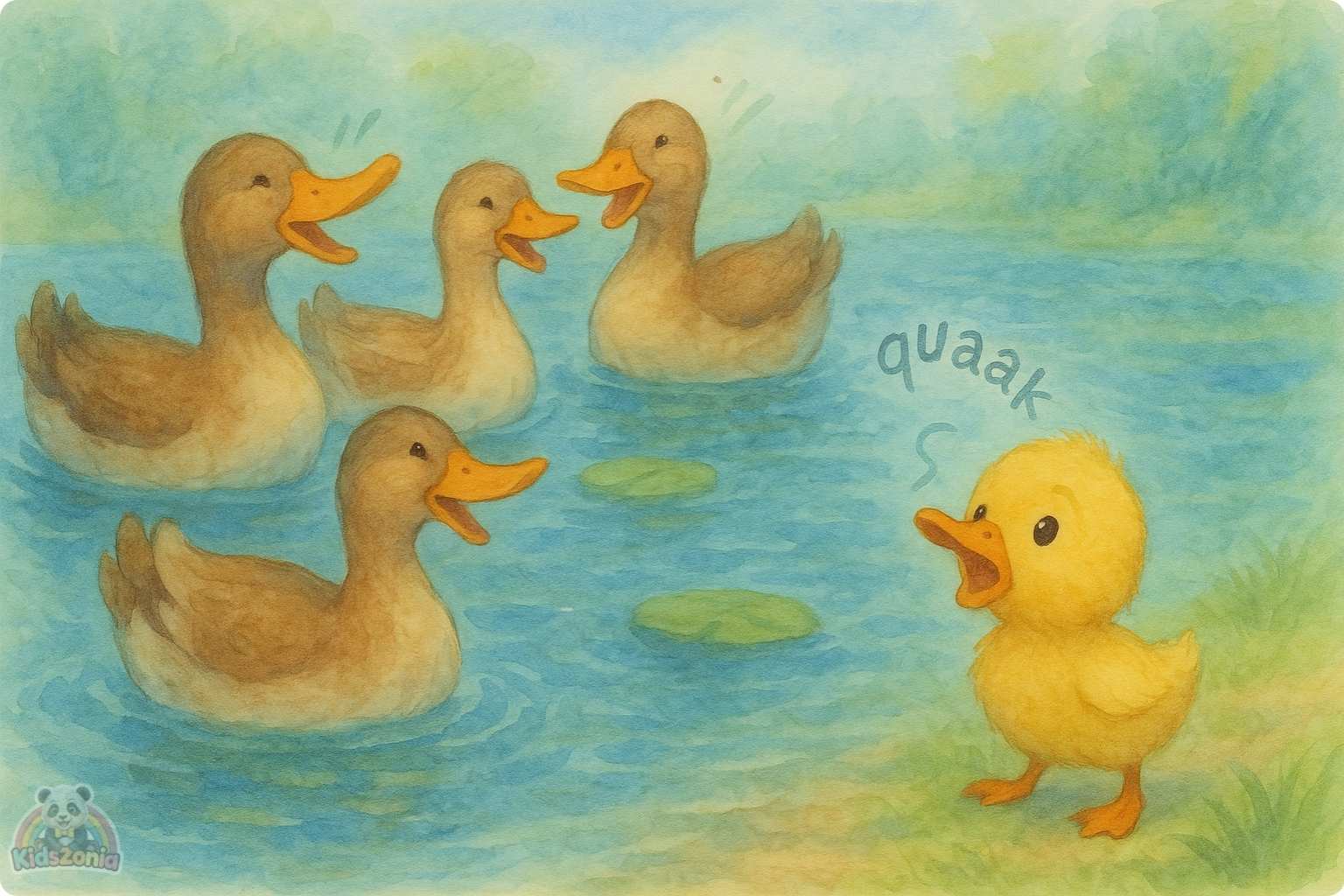
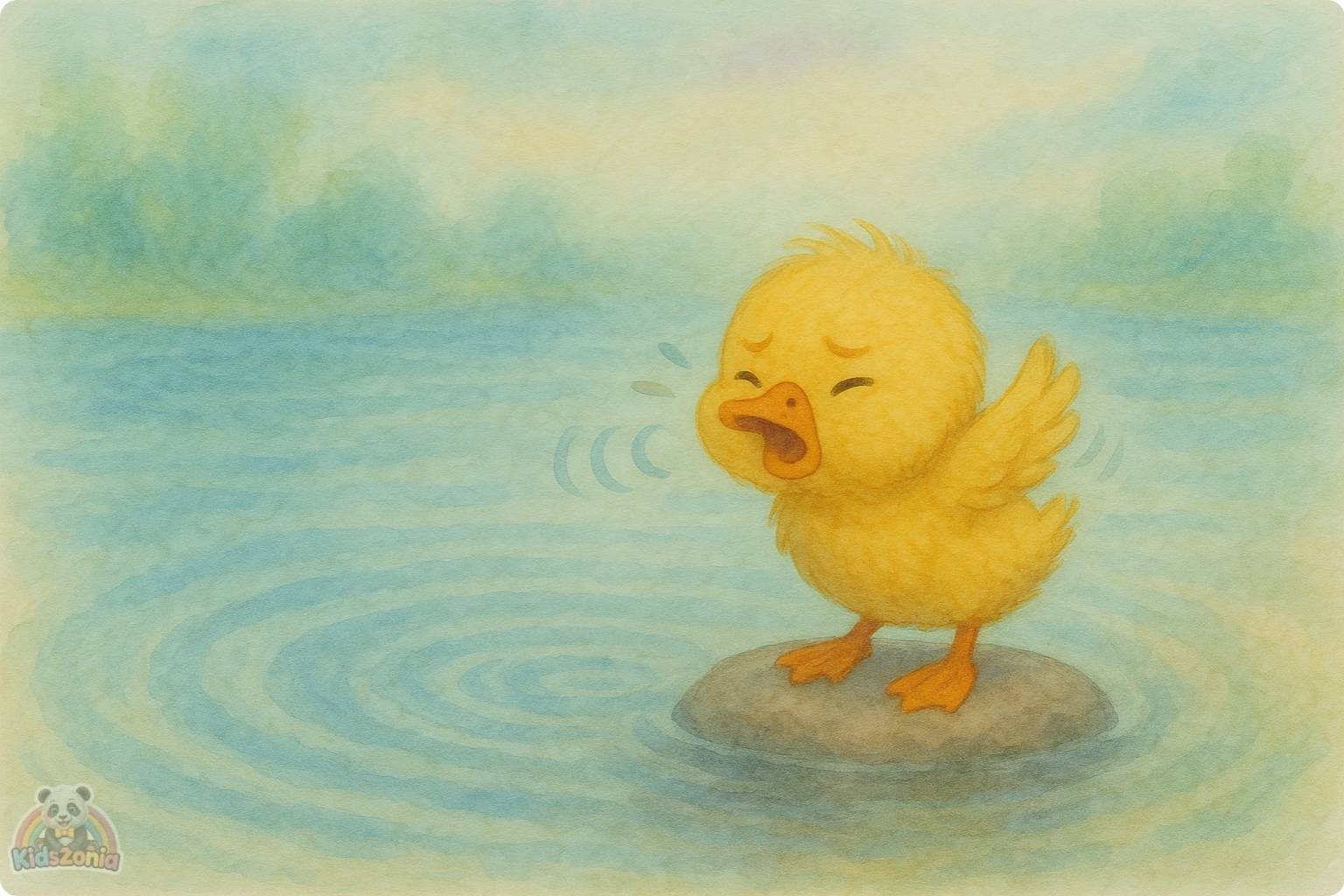
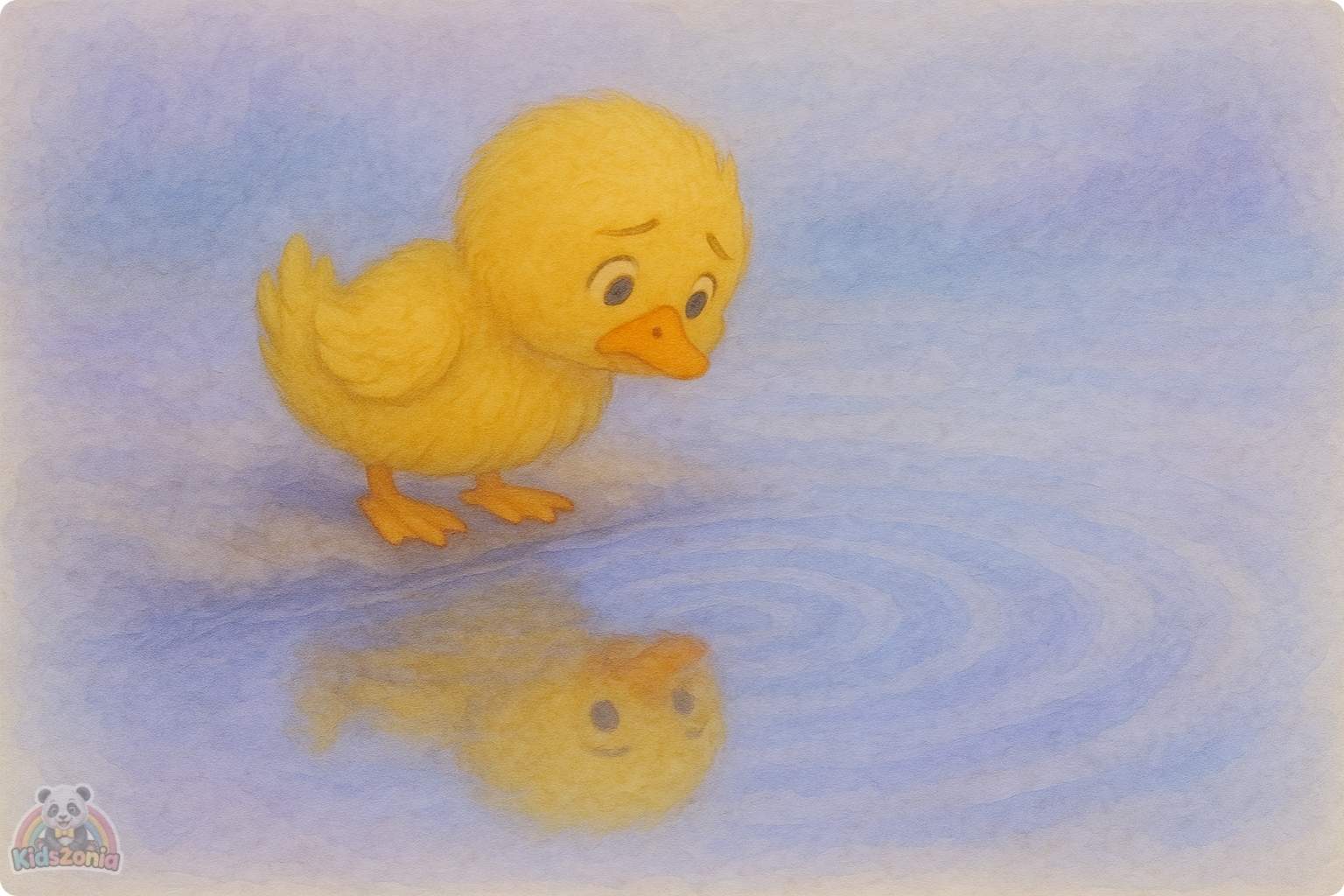
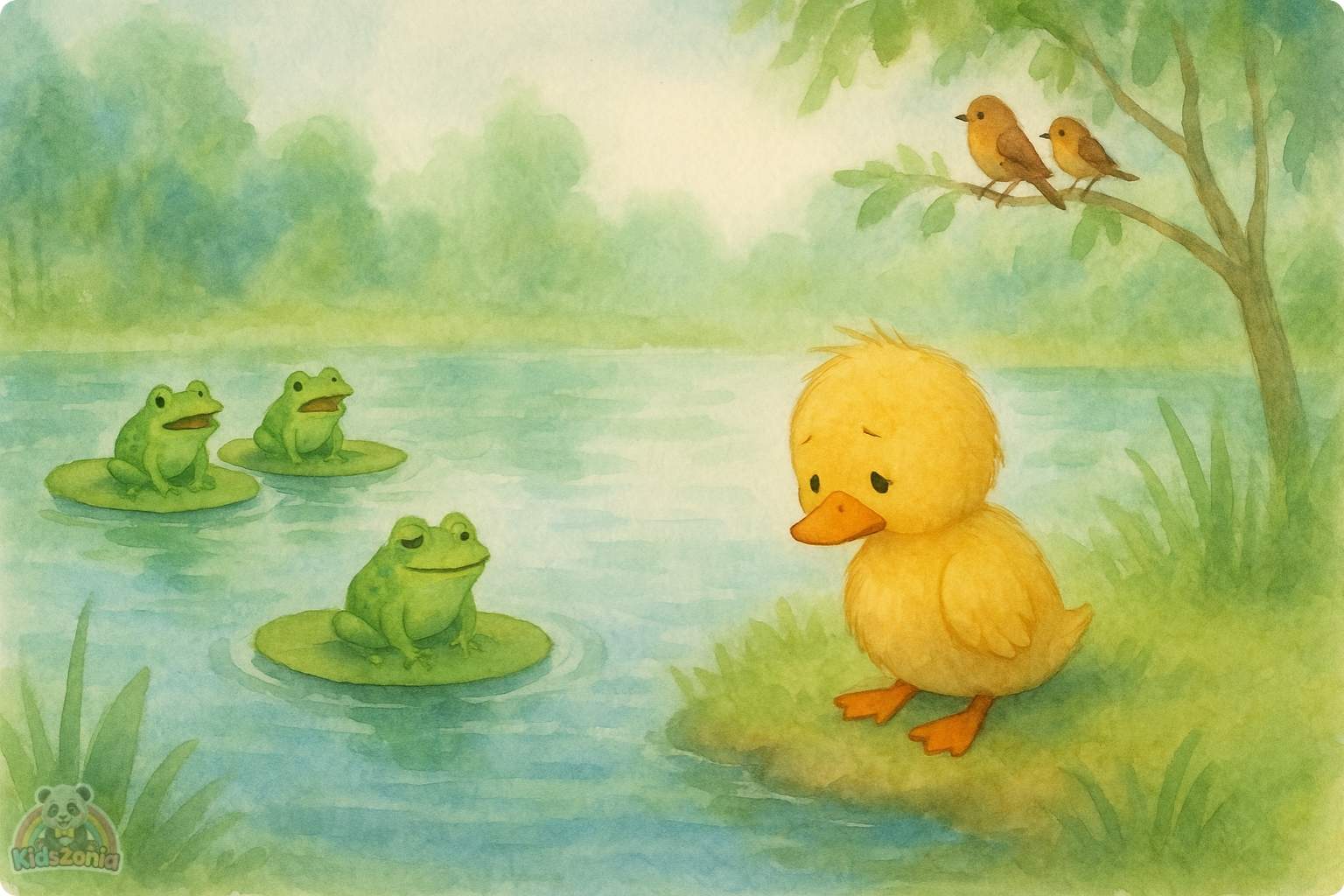
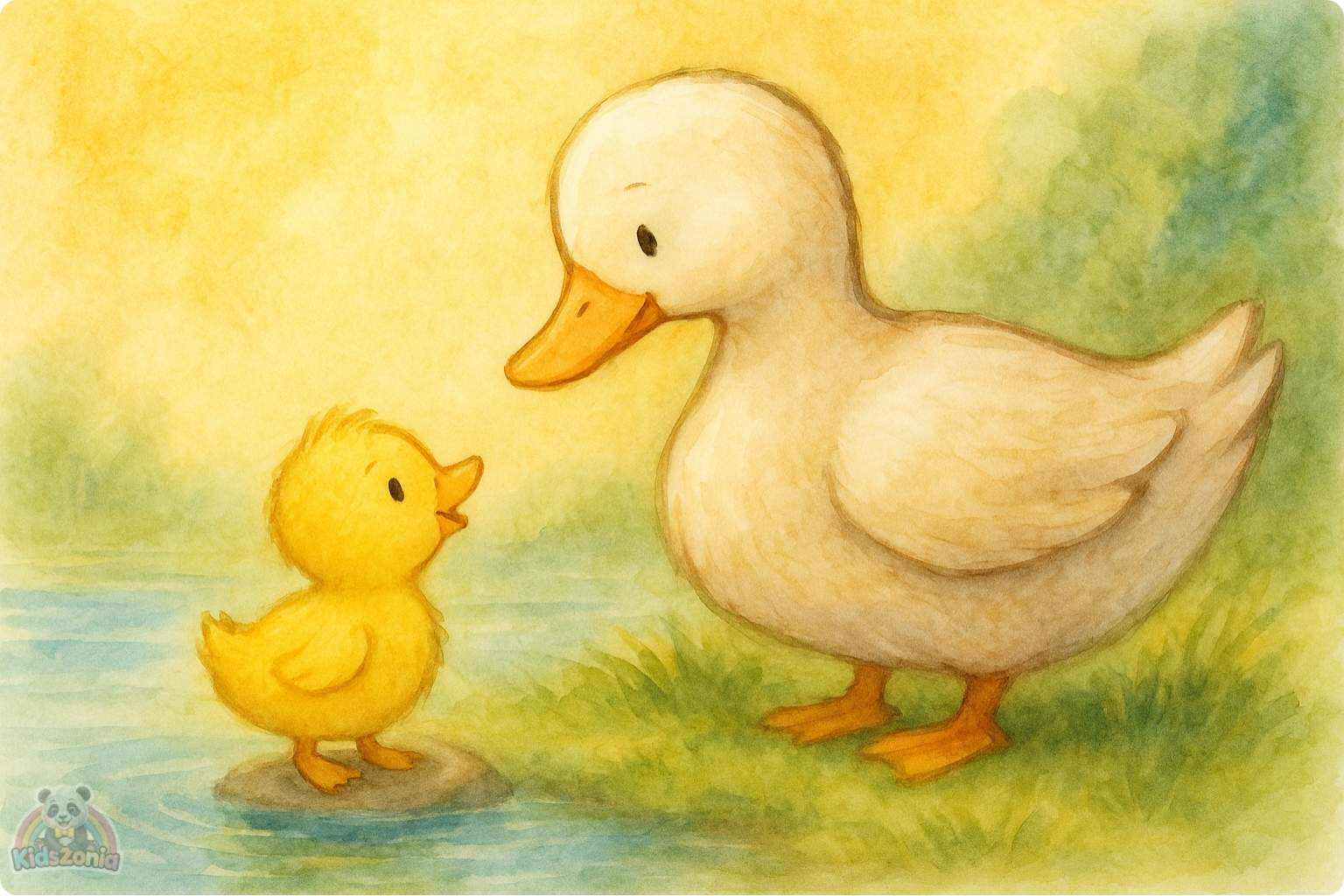
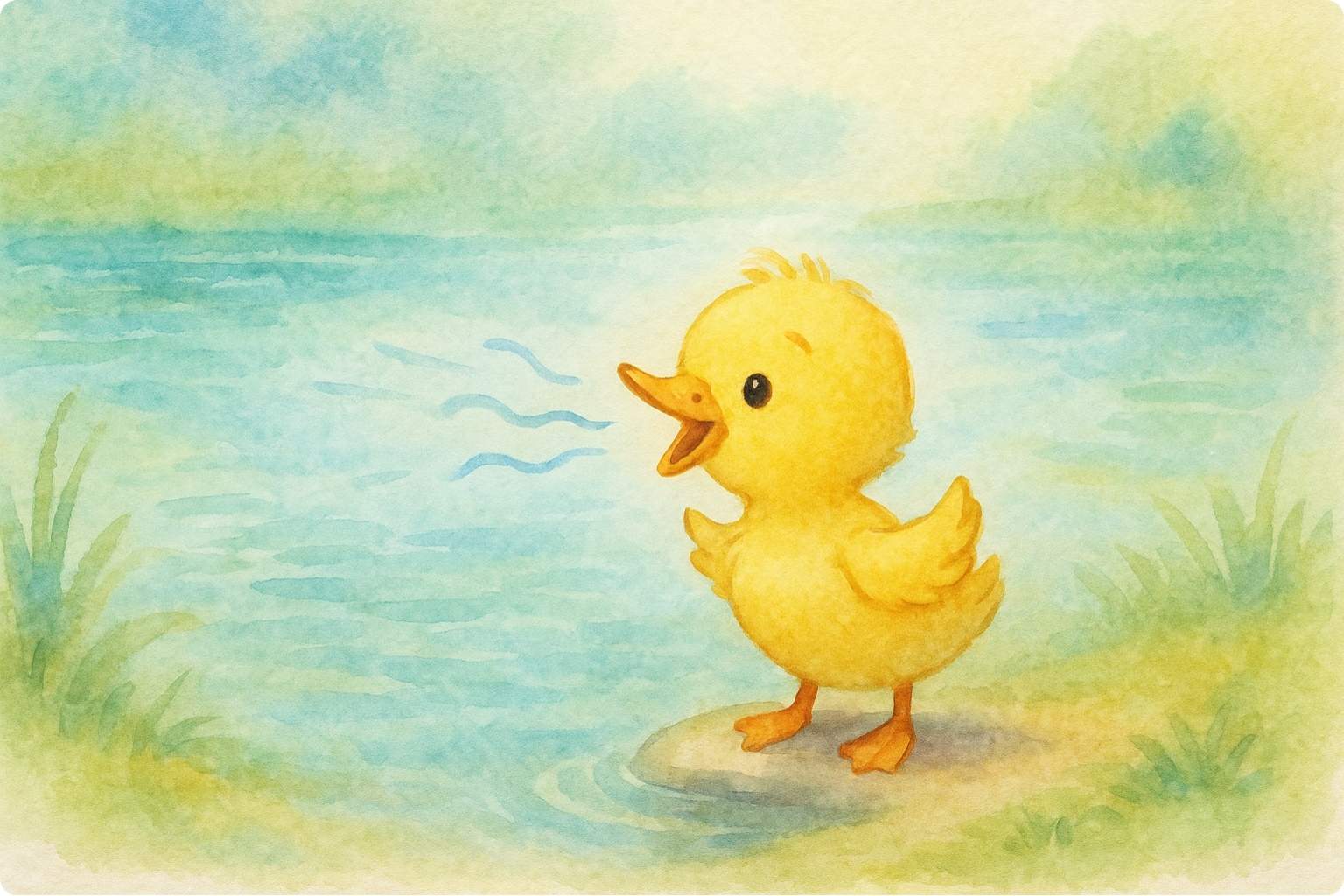
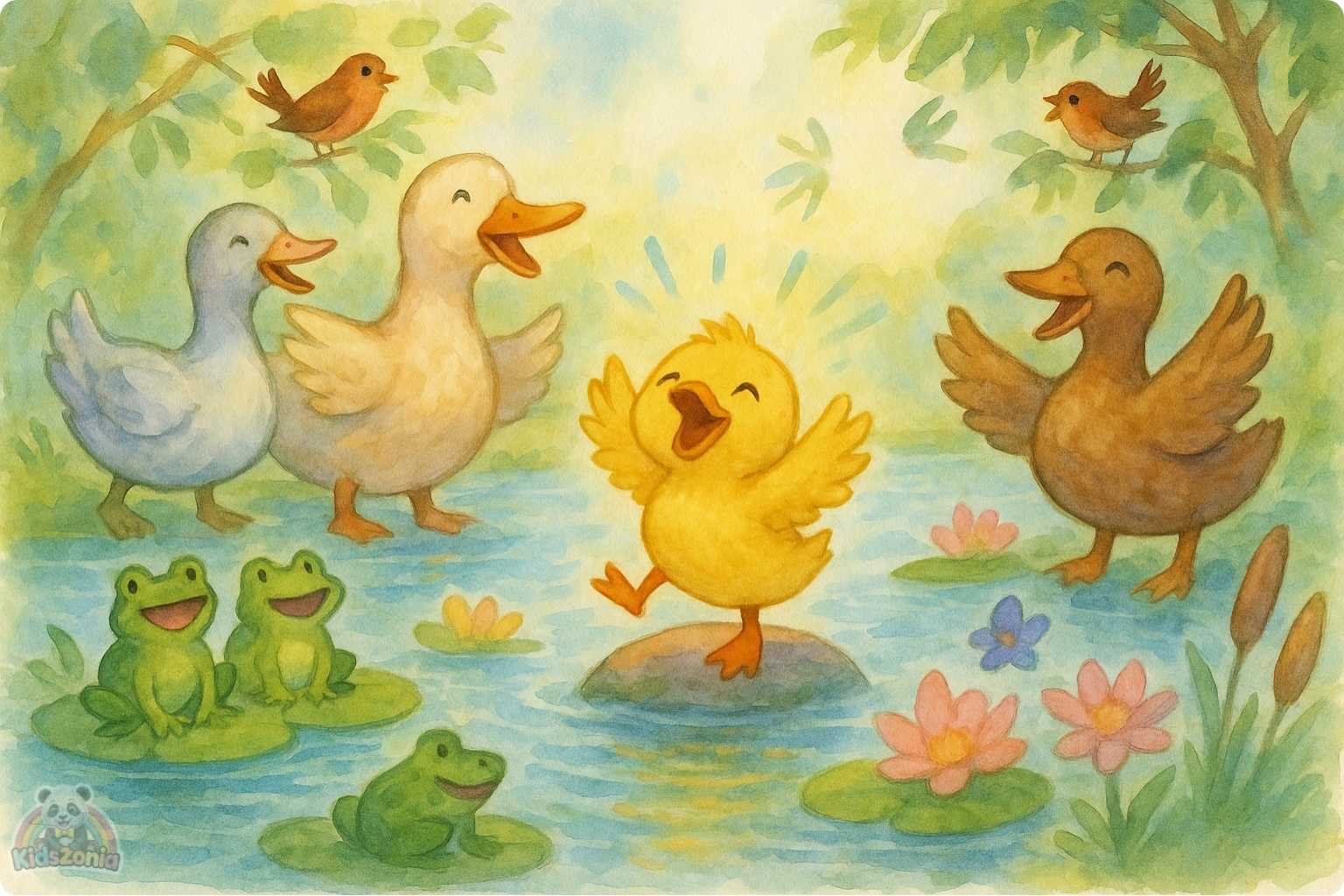
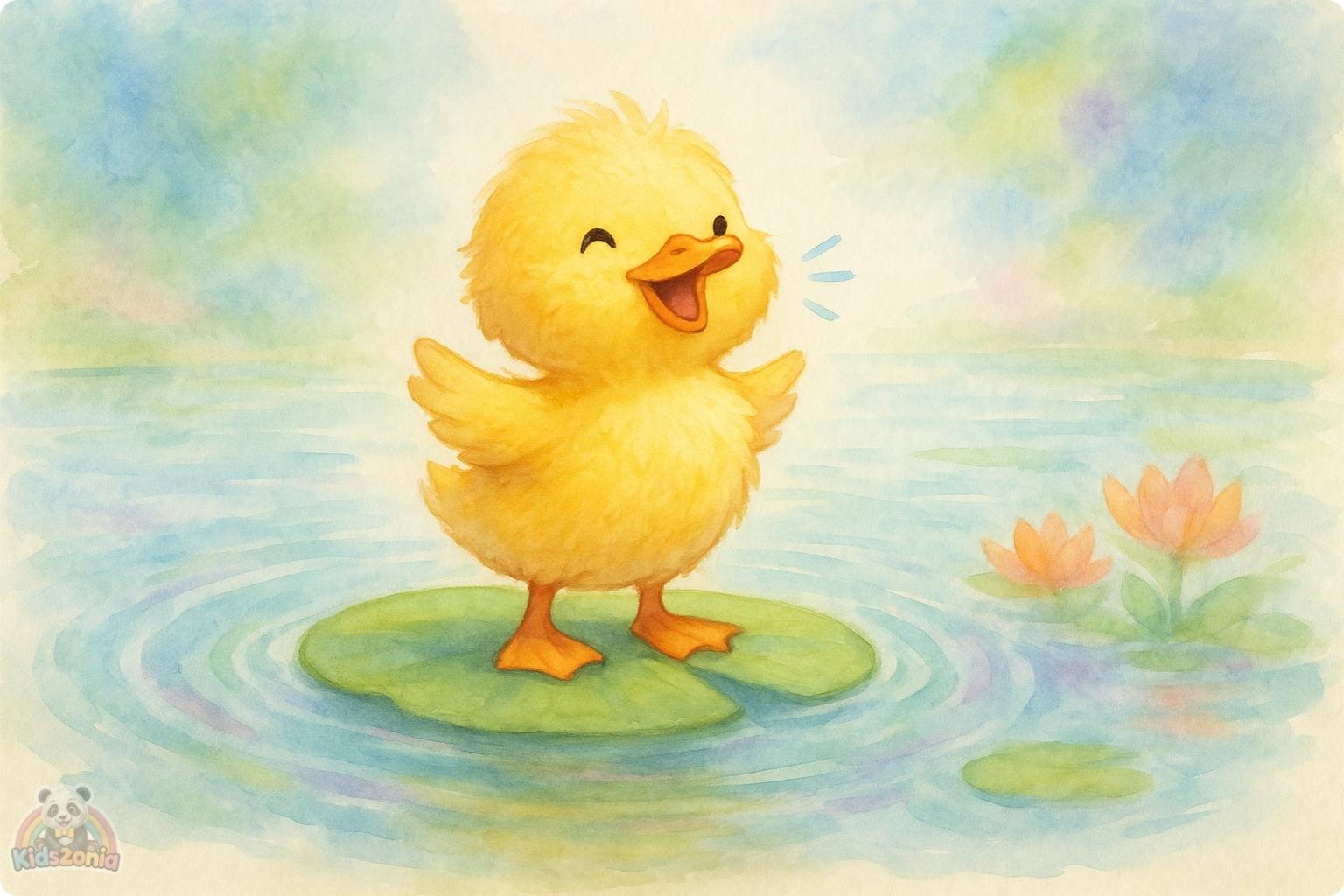
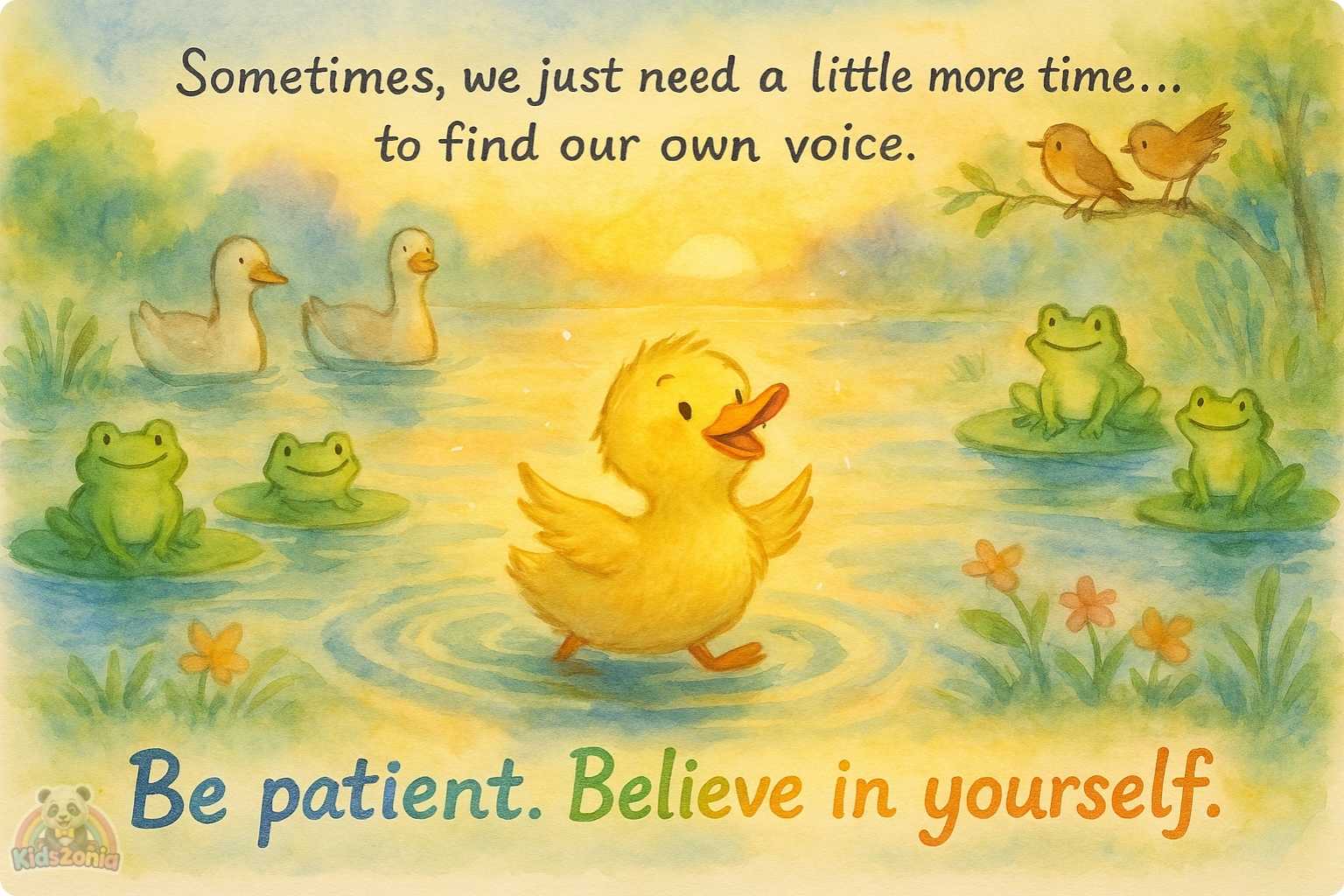
The Little Duck’s First Quack is about a small duckling who feels worried because it cannot quack like the other ducks. While the frogs croak and the birds chirp, the duckling stays quiet and wonders if something is wrong. Then a kind voice offers comfort, reminding the duckling that quacks take time.
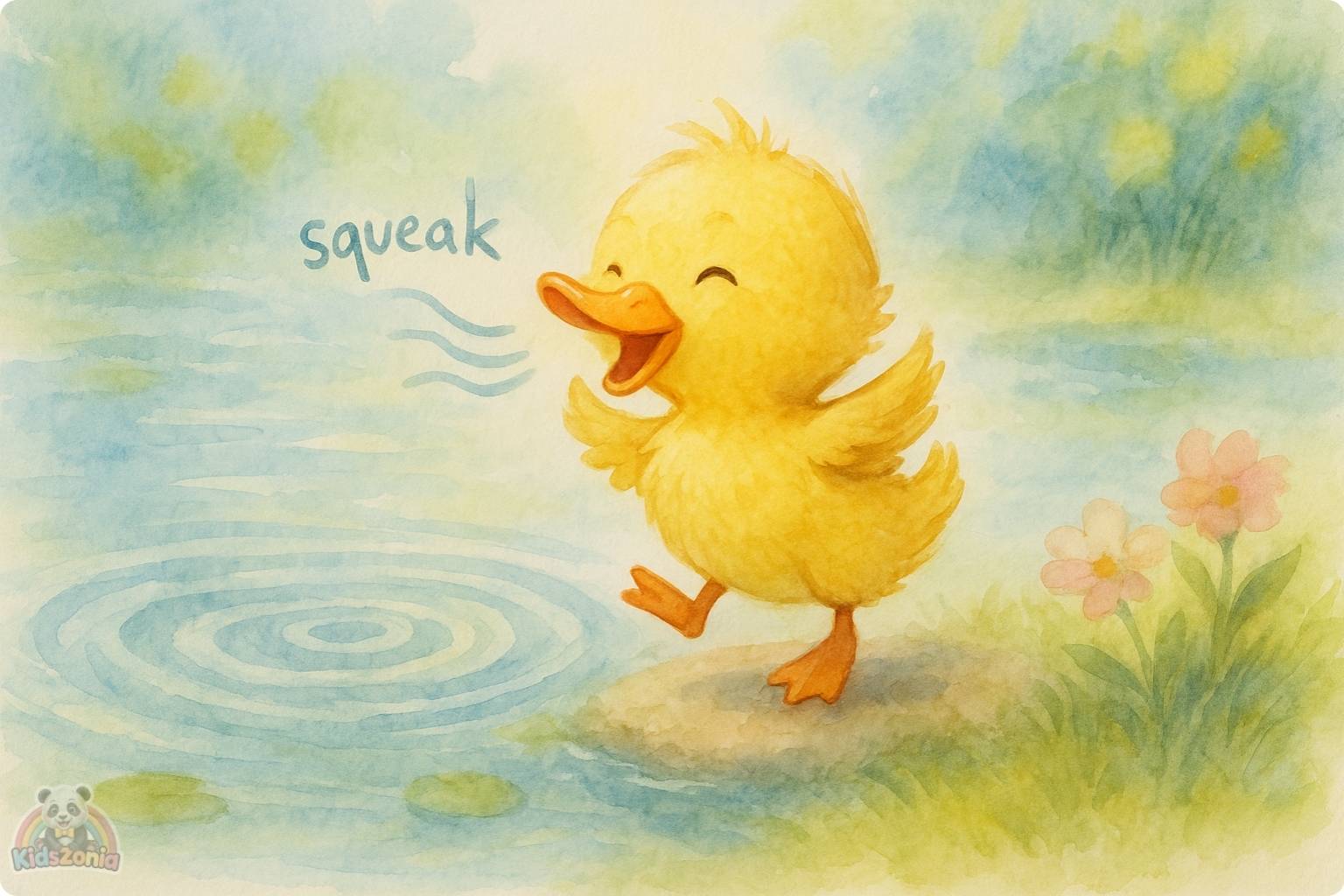
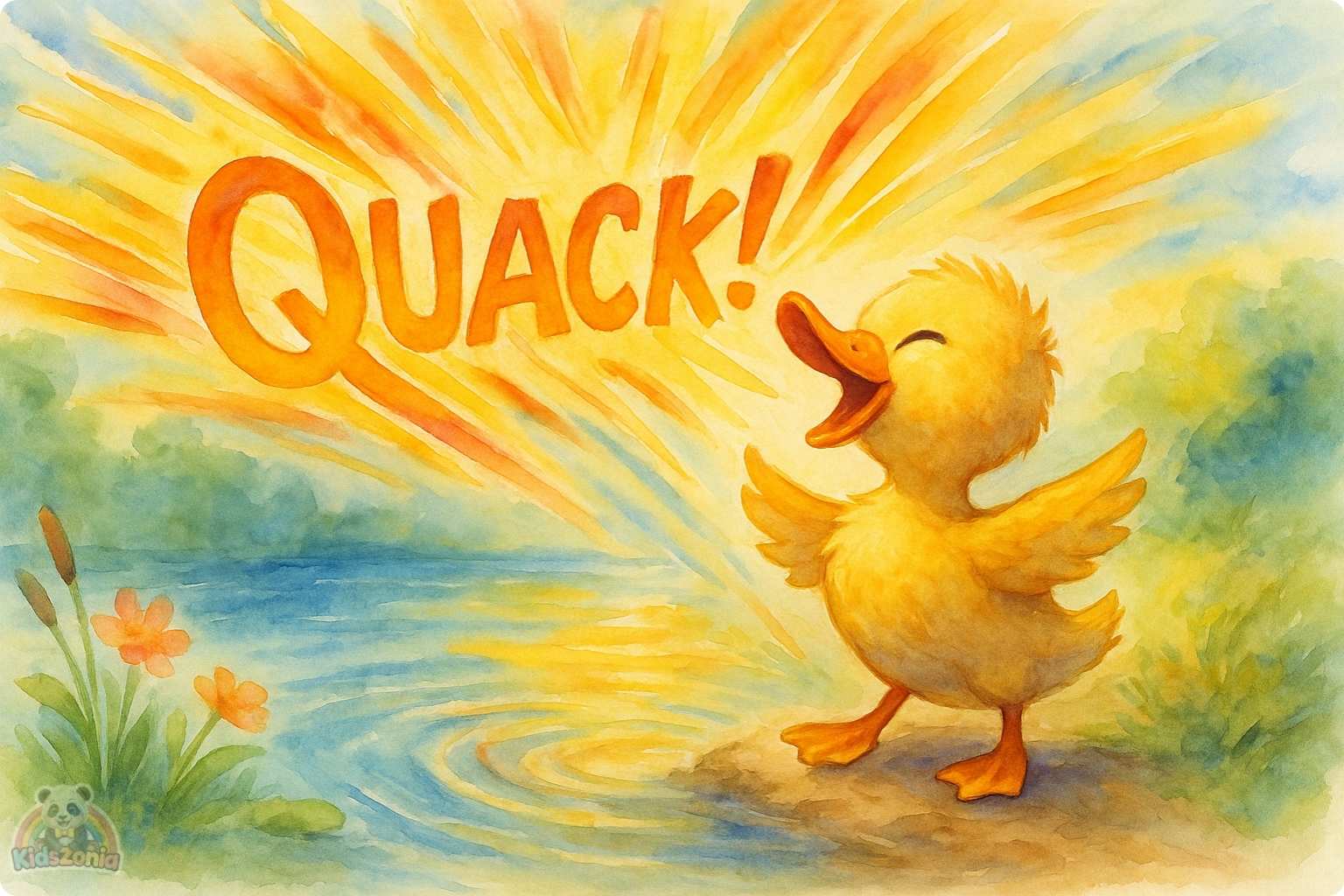
The story teaches children that self-expression grows with patience and practice. The duckling’s tiny squeaks slowly become louder and stronger until one sunny morning, a real “QUACK!” fills the pond. It is a joyful story about courage, confidence, and learning to use your voice.
What children learn from this story
This story helps children build confidence and self-belief by showing that new skills take time to develop. The little duckling does not give up, even when its voice sounds different from the others. This encourages children to keep practicing when something feels difficult.
The story also supports self-expression by reminding children that every voice matters, even if it starts small. Young readers learn that it is okay to be quiet, nervous, or unsure while they are learning. With encouragement and patience, they can grow stronger and more confident.
Through its simple pond setting, cheerful animal sounds, and repeated practice moments, the story also supports early language development, listening skills, sound recognition, and emotional learning. It is a helpful story for preschoolers and young children learning about courage, patience, and trying again.
Tips for parents and teachers
Parents and teachers can use The Little Duck’s First Quack to talk with children about confidence, patience, and learning at their own pace. After reading, ask children how the duckling felt when it could only squeak and what helped it keep trying. This can help children understand that feeling shy or unsure is normal when learning something new.
You can also encourage children to share a time when they practiced something difficult, such as speaking up, singing, reading, drawing, or trying a new activity. Teachers can turn the story into a fun sound activity by having children practice duck quacks, frog croaks, and bird chirps, then talk about how every sound is special.
This story is especially useful for helping children who feel shy or hesitant to express themselves. It gently reminds them that their voice matters and that courage can grow little by little, just like the duckling’s first quack.
Story FAQs
The Little Duck’s First Quack is a gentle children’s story about a fluffy duckling who can only squeak at first but keeps practicing until it finally learns to quack.
The story teaches children to believe in themselves and keep trying. It shows that every voice grows in its own time, and even the smallest voice can make a big splash.
The little duckling could only squeak because it was still learning to use its voice. The story shows that new skills take practice and patience.
The duckling learns to quack by practicing every day. Its squeak slowly grows louder and stronger until it finally becomes a real quack.
Yes, this story is great for preschool children because it uses simple language, animal sounds, repetition, and a positive message about courage and confidence.
Children can learn confidence, patience, self-expression, sound recognition, listening skills, and the importance of practicing when something feels difficult.
Parents and teachers can use this story to discuss courage, speaking up, practice, and learning at your own pace. Children can also act out animal sounds or share something they are learning to do.